The Real Housewives of Lock-Up Bravo Edition
Disclaimer:This article is for educational purposes only and does not constitute financial, legal, or tax advice. It reflects lived experience and professional insight to help you better understand your financial decisions.
Updated on Saturday 4th April 2026
Another week, another Bravo mugshot.
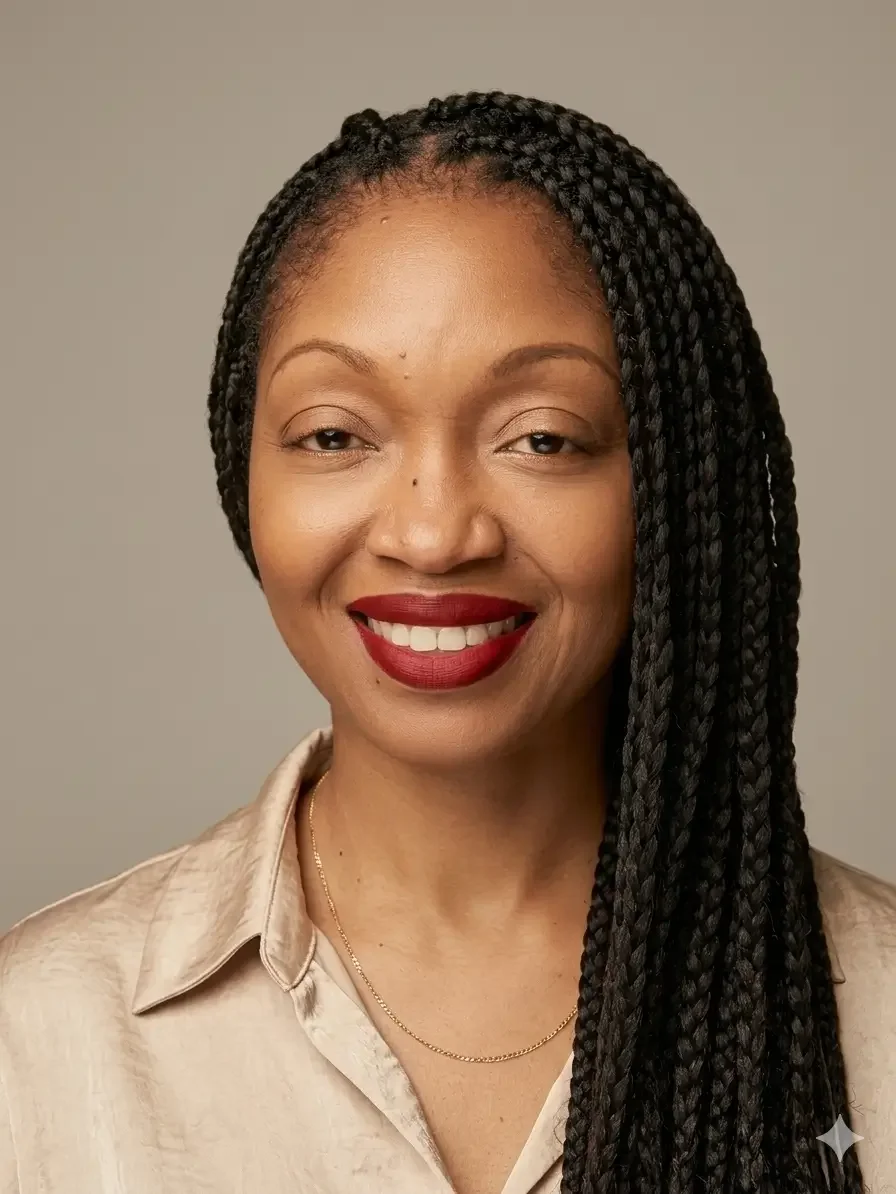
The most recent addition to the Real Housewives Hall of Fraud comes from Potomac: Dr. Wendy Osefo and her husband, Eddie Osefo, allegedly charged with multiple felony counts of insurance fraud. The couple reportedly claimed over $200,000 in stolen luxury goods after a supposed home burglary — only for some of those same items to reappear on social media. The alleged “burglary” unraveled like a reality-TV plot twist that went too far.
But this isn’t a one-time scandal; it’s a pattern.
And patterns matter — not just in pop culture, but in money. This is why understanding your financial ecosystem is essential: behavior, pressure, and environment always shape financial decisions.
Jen Shah (Salt Lake City): Serving 6½ years in prison for running a telemarketing scheme that defrauded elderly victims nationwide — with restitution ordered in excess of US $6 million.
Teresa Giudice (New Jersey): Convicted of mail, wire, and bankruptcy fraud; prosecutors alleged the couple netted over US $5 million in illicit gains across roughly a decade.
Erika Jayne (Beverly Hills): Never criminally charged, but her estranged husband, Tom Girardi, was convicted of embezzling over US $15 million from clients and funnelling more than US $25 million into companies tied to Jayne’s lifestyle.
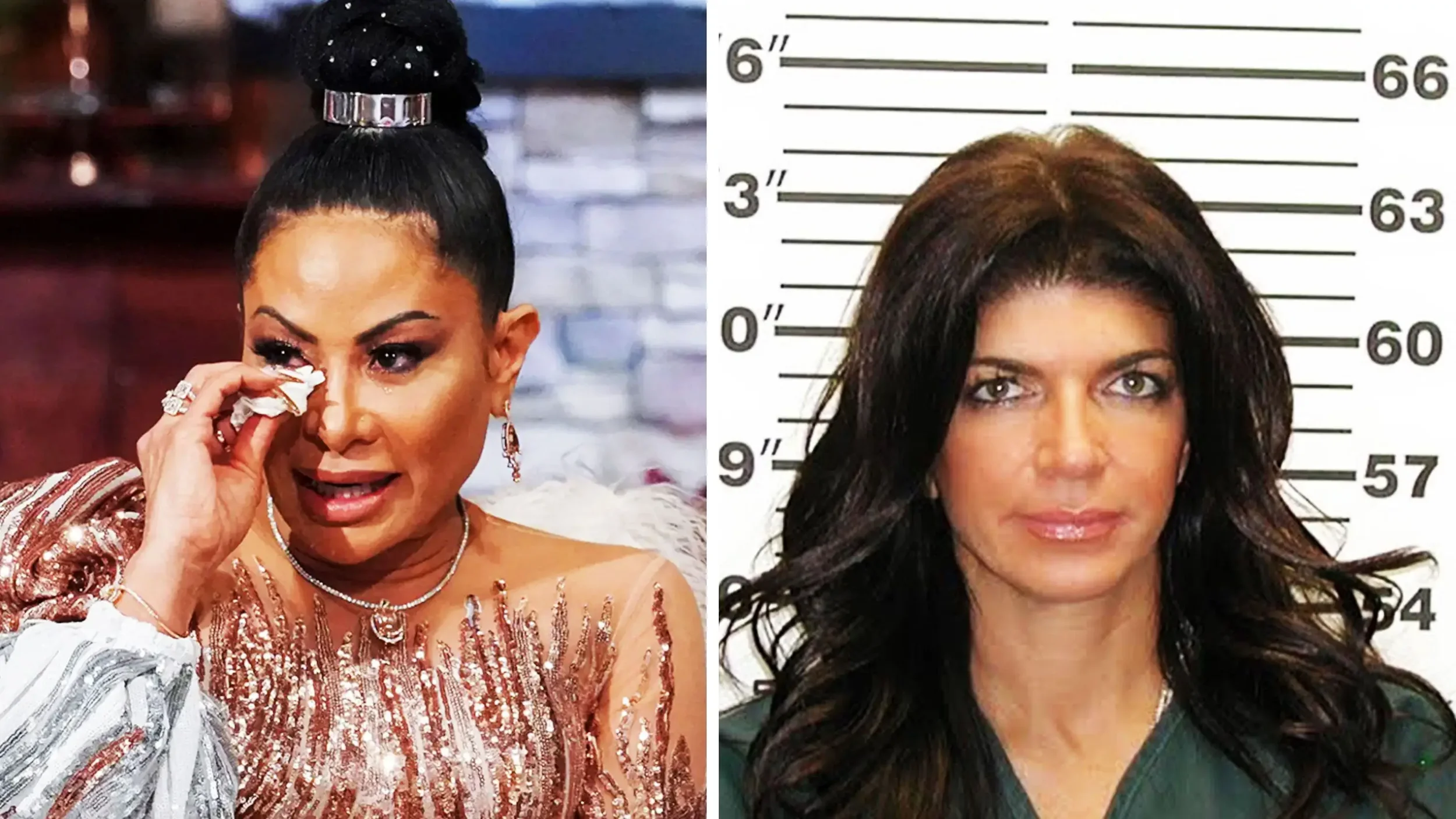
At this point, Andy Cohen could create The Real Housewives: Lock-Up Edition — and people would still tune in.
Why do these scandals keep happening?
And more importantly — why do we keep rewarding them with fame?
II. The Glorification of the Scammer: From Bravo to Netflix
Reality TV thrives on excess. From designer closets to $10,000 dinners, wealth is the plotline.
But when that wealth comes from fraud, what we’re really watching isn’t glamour — it’s a masterclass in manipulation.
The fascination doesn’t end with Bravo. Streaming platforms have turned fraud into an entire entertainment genre.
Netflix’s Inventing Anna transformed Anna Sorokin into a global anti-hero, dramatizing her defrauding of about US $275,000 (≈ €250 k–300 k) from hotels, banks, and friends — while nearly pulling off multimillion-dollar loan scams.
Hulu’s The Dropout reframed Elizabeth Holmes as a complex visionary rather than a calculating deceiver — despite her conviction for investor fraud and a court-ordered US $452 million restitution.
These shows elevate the scammer’s “audacity” while often muting the voices of the victims. Somewhere between a mugshot and a miniseries, crime became content — and our empathy quietly shifted to the con artist.
III. Privilege, Perception & the Racial Divide in Fraud Coverage
Here’s where it gets uncomfortable — and necessary.
When white scammers like Sorokin or Holmes are caught, they’re called “brilliant,” “misunderstood,” or “ahead of their time.”
But when women of color — like Jen Shah or Wendy Osefo — are accused, the coverage instantly focuses on their “greed,” “attitude,” or “deceit.”
The double standard is undeniable. Whiteness grants the privilege of narrative — a chance to be humanized, explained, or even admired. Black and brown women rarely get that lens; their stories are flattened into cautionary tales.
Financial power is not just about income — it’s about who gets grace, second chances, and public empathy. These dynamics are part of the broader ecosystem explored in Understanding Your Financial Ecosystem.
Streaming platforms may occasionally feature Black scammers — but they’re rarely romanticized, stylized, or reframed as “iconic hustlers.” There’s no Reinventing Anna equivalent for us — just look what she did.
And that imbalance says everything about who society allows to fail beautifully.
IV. The Real-World, Taxpayer Cost
Behind the glitter and gossip are real consequences. These crimes don’t just affect “rich victims” — they ripple through the economy.
Insurance Fraud (Osefos): Raises premiums for everyone — a hidden tax on honesty.
Wire & Tax Fraud (Giudice, Shah): Steals from public systems that fund education, healthcare, and infrastructure.
Legal Costs: Investigations, trials, and incarcerations are all paid for by taxpayers.
According to the Association of Certified Fraud Examiners, white-collar crime in the United States drains over US $400 billion each year, with broader estimates reaching up to US $1.7 trillion in total losses.
Europe, a European Parliament study found that roughly 1 % – 2 % of the EU budget is defrauded annually, and the European Public Prosecutor’s Office (EPPO) reported €24.8 billion in active fraud-related damages under investigation in 2024.
Entire enforcement divisions — investigators, prosecutors, forensic accountants — are devoted to chasing these cases. It’s not just entertainment; it’s an expensive global industry of crime and consequence.
This is the invisible cost that everyday people absorb — the same people carefully planning, budgeting, and trying to stay afloat, as discussed in How to Prepare Your Budget for the Next Year: A Purpose-Driven and Practical Guide.
V. The Real Moral of the Story
Fraud shouldn’t be fashionable. The true luxury is integrity — building wealth honestly, even when it’s slow or quiet.
Integrity also means respecting money boundaries — especially when fame, family, or status get involved — something I explore personally in My Money, My Aunty, My Friend.
We’ve allowed fame and deception to blur together, but it’s time to draw the line.
Let’s stop turning criminals into celebrities and start celebrating the everyday people who budget, save, and build something real. Because when scammers win, we all pay the bill — literally and morally.
Let’s Talk: What Do You Think?
If we want a healthier relationship with money — individually and culturally — we have to move away from spectacle and toward intention. That shift begins with Budgeting with Purpose.
Are you disappointed by how easily society turns fraudsters into icons?
Have you ever seen a local version of this — someone celebrated who later turned out to be a fraud?
Do you believe financial crimes like these don’t affect you personally?
Should we treat these stories purely as entertainment, or do they deserve deeper reflection?
Start Budgeting With Purpose — Free Tools Available Now
Budgeting with Purpose is about more than tracking expenses. It helps you understand your financial reality, identify blind spots, and build long-term clarity.
Two free tools are now available to help you get started:
Free Budget Tracker
The AfroBudgetinGirl Budget Tracker helps you see your money clearly, plan monthly or yearly, track irregular expenses, and prioritise actions using the Action Priority Matrix.
200 Questions Workbook Extract (Free)
Some financial risks don’t appear in spreadsheets. This workbook extract helps you uncover blind spots, understand what’s driving your decisions, and map those insights into numbers using your budget.
Free download for your Budget Tracker and workbook extract
The Money Design Session (Coming Together)
These tools introduce the Money Design Session — a practical way to map your financial ecosystem, identify patterns, and strengthen your foundation with intention.
Here’s what to do:
List every part of your financial environment — from family and work to culture and media.
Analyse how each one influences your mindset, habits, and goals.
Identify patterns and blind spots.
Strengthen your foundation by aligning your money with your true objectives.
This is how budgeting becomes a tool for direction — not restriction.
Want Early Access?
The Budgeting with Purpose Masterclass is in development.
👉 Subscribe to receive:
updates when the masterclass is available
practical guidance to live intentionally — financially and personally
Disclaimer. This content is shared for educational and informational purposes only. It is based on a combination of:
lived experience
professional background in finance and tax
real-life situations observed or shared in confidence
Some details may be adapted to protect privacy, but the underlying lessons remain real. This content does not constitute financial, investment, tax, or legal advice, and should not be relied upon as a substitute for professional advice tailored to your specific situation. Every financial situation is unique. What worked — or did not work — in one context may not apply in another. You should always consider your own circumstances, responsibilities, and goals before making financial decisions. This platform is designed to help you:
reflect
build awareness
identify potential financial blind spots
👉 Not to replace personalised professional guidance.