

AfroBudgetingirl — Real Money Lessons for Real Life
AfroBudgetinGirl shares honest money stories and practical financial wisdom shaped by culture, relationships, and everyday realities.
Here, money isn’t just numbers. It’s lived experience.
This space helps you understand your money and make confident financial decisions — one step at a time.
Written by Ingrid Francisque, founder of AfroBudgetinGirl and corporate tax expert with 20+ years of experience, helping you build financial resilience and budget with purpose .

Each category reflect the “Ecosystem and Blind Spots” philosophy.
-
Practical advice for managing money in relationships, parenting, fertility, marriage, and divorce.
-
Simple guides to budgeting, saving, managing bills, and paying off debt — perfect for beginners.
-
Clear tips on insurance, emergency funds, and essential documents to protect your income and family.
-
Supportive guidance on funeral costs, inheritance, wills, and handling finances after a loss.
-
Honest stories and practical tips on coping with rising costs, financial stress, and life changes.
-
Discover empowering budget tips inspired by iconic women. The “Glow Up Budget Tips With” series blends mindset, confidence, and smart money strategies to elevate your finances
Monthly vs Annual Budgeting: Which One Should You Choose?
Choosing between an annual or monthly budget depends on your financial ecosystem, responsibilities, and goals. In this article, we explore the pros and cons of both methods, how your budgeting approach evolves with your life, and why long-term planning can transform your financial confidence.
Budgeting and Exercising: Building Routines That Grow With You
Budgeting and exercising have more in common than you think. This safe-space guide shares how both journeys evolve with trial, community, and consistency.
My Financial Foundation: Mistakes, Lessons & Why You Don’t Need a Degree to Budget
My financial foundation wasn’t built on perfection — it was built on discipline, mistakes, scams, emergencies, and resilience. You don’t need to be an accountant to budget. You just need honesty, consistency, and the courage to learn. Here is my real story, without filters.
You Are Not a Latte Away From Being Broke…
You’re not a Spanish-latte away from being broke. If you budget carefully yet still feel like the numbers don’t add up, it’s not you — it’s today’s cost of living. This article explores the real pressures behind your budget, using data, context and a fresh look at your financial ecosystem.
Financial Abuse in Relationships: The Control We Ignore
Financial abuse is one of the most overlooked forms of control in relationships. From restricted access to money to economic coercion, many women experience it without recognizing the signs. Through a personal story and real data, this article explores how financial abuse operates—and why financial independence, budgeting, and emergency funds are critical tools for protection.
Emergency Funds: Build Financial Protection for Real Life
An emergency fund is more than a savings rule—it’s your financial protection system. Learn how to calculate a realistic emergency fund based on your essential expenses and the risks within your financial ecosystem, from sudden job loss to urgent travel for family emergencies.

Glow Up Budget Tips: Why I Created This Series (and Why It Matters)
Budgeting needs a glow-up. Glow Up Budget Tips is a pillar series inspired by Black women across the globe—artists, actresses, writers, and leaders—who have publicly shared their relationship with money, resilience, and choice. Through imagined budget conversations, this series connects real life to Budget with Purpose, where money becomes a tool for freedom, not pressure.
Financial Ecosystem: The Invisible Force Shaping Your Money
Your financial decisions don’t exist in isolation. From family and culture to career, housing, and legal systems, your financial ecosystem quietly shapes how you spend, save, invest, and protect wealth. In this article, we break down the six pillars influencing your money — and how to take control of them intentionally.
50/50 Fair in a Couple? Understanding Money, Equity, Reality
Splitting expenses 50/50 sounds fair, but real life, unequal obligations, and hidden financial pressures make it more complex. This article explores why 50/50 isn’t always equitable—especially for women—and offers a purpose-driven framework for couples to build a fair, transparent, and sustainable money system.
When Success Attracts Entitlement: The Richest in the Room
When you earn more than those around you, your success can quietly become communal property. From global athletes to everyday high earners, family entitlement to money creates financial pressure, delayed goals, and mental health strain. This article explores why earning more doesn’t mean having more — and how to protect your peace through boundaries and budgeting with purpose.
When Taking Care of Myself Quietly Reduced My Expenses
What if the reason you’re struggling to save isn’t your budget — but your lifestyle?
In this personal story, I share how focusing on my health, awareness, and strategic spending quietly reduced my expenses. From food habits to emotional spending, this article explores how saving often becomes the outcome when you align your life with intention.
The S.I.S Framework: Budget With Purpose (Not Just Savings)
Budgeting isn’t just about saving. The S.I.S Framework shows how savings, investing, and strategic spending work together to protect your money and future.
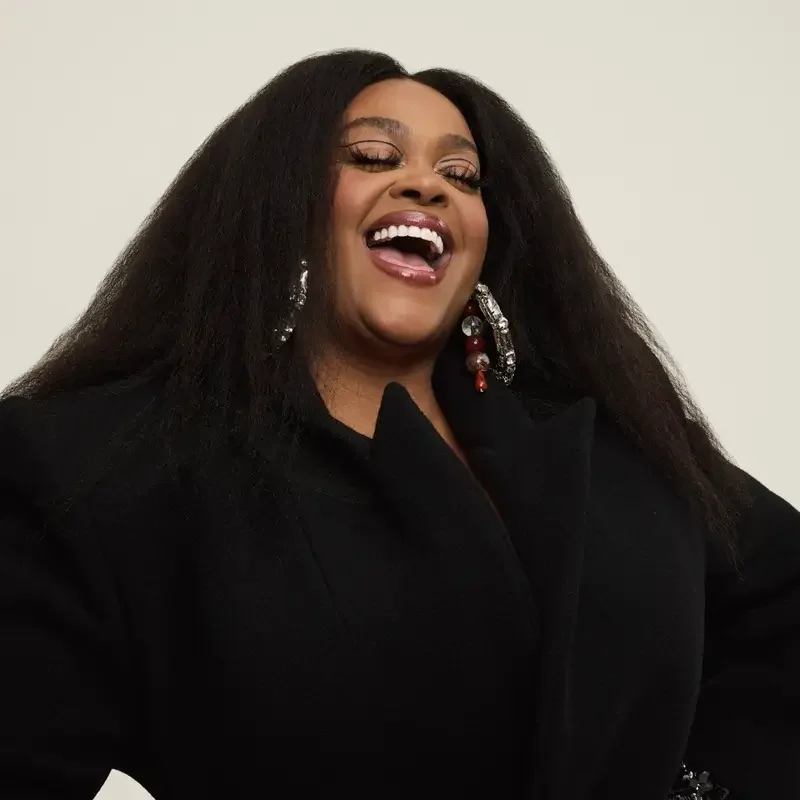
Glow up Budget Tips With Jilly from Philly
Softness is not accidental — it’s designed.
Through Jill Scott’s music, financial losses, and powerful rebuild, this article explores how structure, boundaries, and money create true freedom. From Pressha to purpose, this is a lesson in living softly — and wisely.

Glow up Budget Tips With La Nakamurance
Discover budgeting advice inspired by the unstoppable Aya Nakamura. Bold, resilient, and unapologetically herself, Aya’s approach to money is all about independence, clarity, and choosing yourself first. Learn how to budget with confidence, protect your peace, and glow financially—Aya style.
5 Best Methods Explained - How to Budget With Purpose
There is no one right way to budget. Discover five popular budgeting methods, their pros and cons, and why budgeting with purpose is the key to financial freedom.
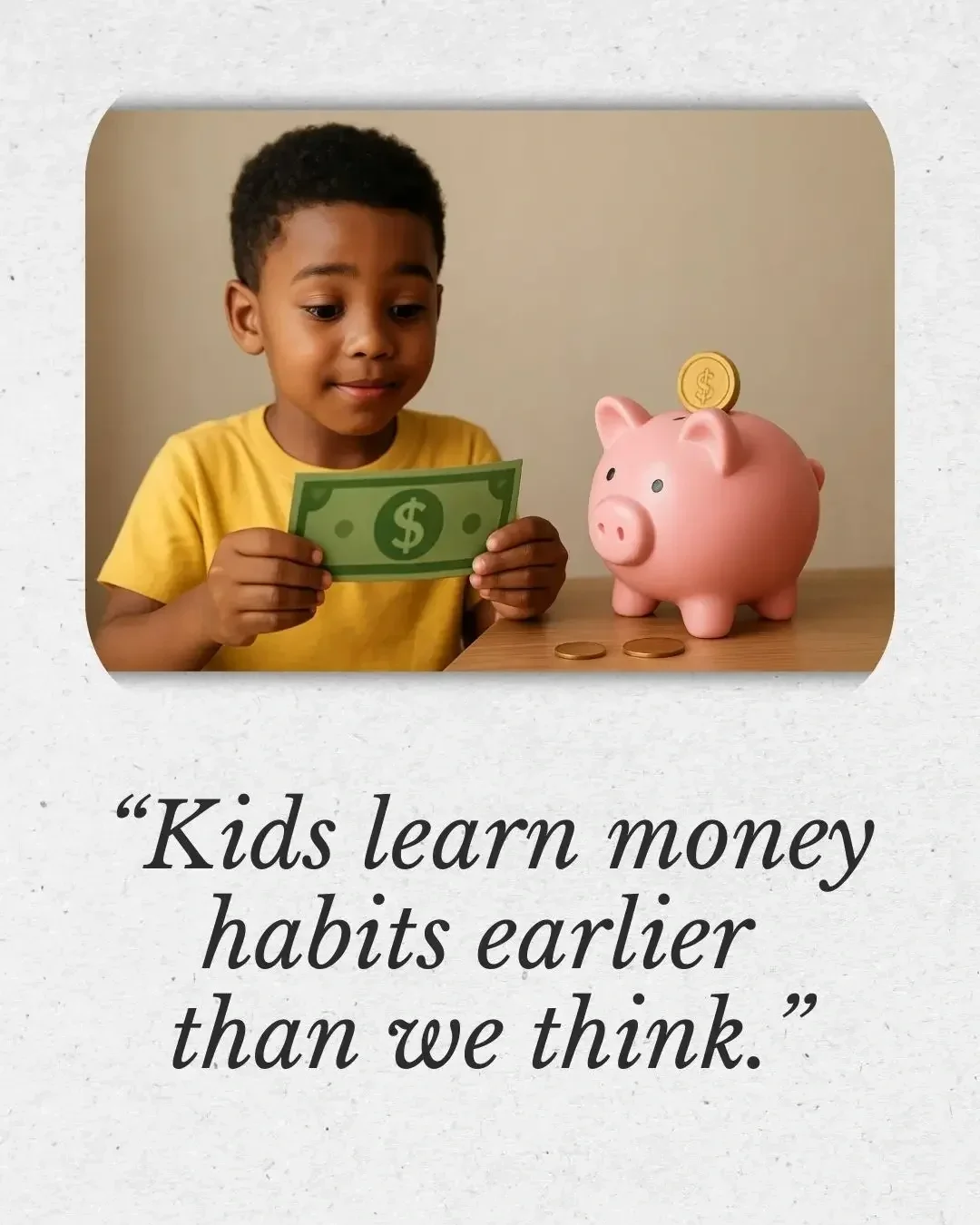
Why Financial Literacy for Kids Starts at Home
Teaching kids about money starts at home. Learn why financial literacy matters, how to build healthy money habits early, and get the “How to be a Money Smarty” ebook to guide your conversations.
How to Prepare a Purpose-Driven Budget for Next Year
Budgeting with purpose transforms your financial life by aligning your money with your values, lifestyle, and long-term goals. In this guide, you’ll learn how to build a yearly budget, analyze your spending, identify blind spots, and design a financial plan that supports clarity, control, and confidence all year long.
Budgeting With Purpose: Build Financial Security and Freedom
Budgeting with purpose is more than tracking expenses — it’s about aligning your money with your values and future goals. For women, intentional budgeting is especially powerful. Life stages like caregiving, career breaks, and pay gaps often slow income growth — but purposeful financial planning helps you build security and freedom. Join the Budgeting with Purpose Masterclass and start creating the life you deserve.
How Culture Shapes Our Money Habits and Mindset
We all like to think our financial habits are personal. But the truth is, our ecosystem — our culture, work, family, and society — deeply shapes how we earn, spend, and save. In this article, Afrobudgetingirl explores how to turn that awareness into lasting empowerment and wealth.
From Financial Vulnerability to Empowerment: My Journey
More people than ever are experiencing financial vulnerability — even those who appear secure. In this article, Ingrid, founder of Afrobudgetingirl, shares her journey from the French West Indies to the UAE, uncovering what true financial vulnerability looks like, why it affects everyone regardless of income, and how awareness and planning can transform uncertainty into empowerment and lasting peace of mind.